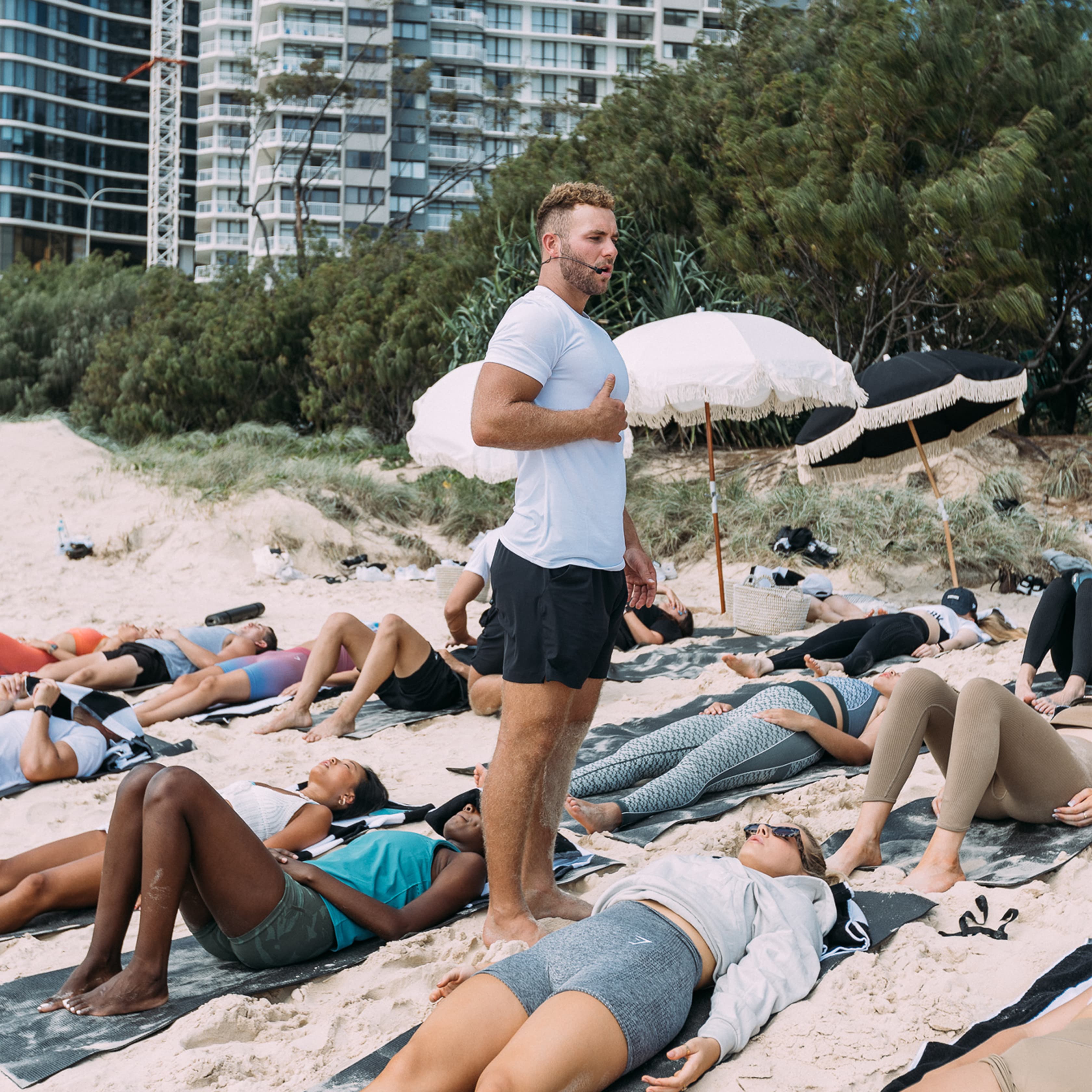
















You’ve crushed your workout plan, your playlist is fire… and then bam — your period hits, and suddenly burpees feel like a personal attack. Sound familiar?
Our cycles are more than just “that time of the month.” They’re a four-phase rhythm of shifting hormones, energy spikes, and dips that can either work with us or completely throw us off our game. The secret? Learning to train in sync with your body’s natural flow (pun intended).
Instead of forcing yourself through a grueling HIIT session when your body’s craving yoga and comfy sweatpants–or skipping the gym when you’re actually primed for PBs–you can match your workouts to each phase of your cycle for better performance, fewer slumps, and way less frustration.
With the help of Flo, we explore just how we should be training to work with our cycle instead of *against it–*one phase at a time.
Let’s break down how to harness those hormonal highs, manage the lows, and keep your training feeling powerful all month long.
What Is Cycle Syncing?
Let’s be real — no two weeks in our cycle feel exactly the same. Some days, you’re buzzing with energy and ready to smash a PB. Other days, your body’s practically begging for a rest day and a hot water bottle. That’s not random — it’s biology.
This is where cycle syncing comes in.
Cycle syncing is the practice of adjusting your training, nutrition, and recovery strategies to align with the four phases of your menstrual cycle.
The idea is simple: by working with your body’s natural hormonal shifts—rather than against them—you can optimize performance, support recovery, and feel more in tune with your energy levels.
But is it just an influencer fad? While cycle syncing workouts have been popularized on socials, it’s also starting to be recognised in fitness science, with research exploring how fluctuations in estrogen and progesterone can influence strength, endurance, mood, and recovery:
A clinical trial published in the International Journal of Sports Medicine found that women who trained more often in the follicular phase and less in the luteal phase gained 32.6% strength, more than double the 13.1% from regular training [1]. Gains were linked to higher estrogen levels, suggesting this hormone may boost strength adaptation.
A 2017 study backed this, finding that women who trained legs with higher frequency during the first two weeks of their menstrual cycle experienced greater strength, power, and muscle growth than doing the same high-frequency training in the last two weeks of their cycle [2].
The Four Phases of Your Menstrual Cycle & How They Affect Training
So, if cycle syncing workouts are all about matching your training to your hormones, the first step is knowing what’s actually going on in your cycle.
Your period isn’t just “on” or “off”–it’s a whole 28-ish day rhythm with four distinct phases, each with its own hormonal shifts, energy patterns, and training sweet spots.
Let’s break down each phase so you can see exactly how your body changes–and how to work with it in the gym instead of against it.
Menstrual Phase (Days 1–5)
This phase lasts anywhere between 2-7 days. During this period, your uterus is shedding its thick lining, which results in bleeding. This is when cramps, bloating, fatigue, or mood swings can set in—and you might find yourself reaching for a hot water bottle and swapping your baby tee for an oversized tshirt.
What’s Happening Hormonally:
“During this phase, hormonally, your progesterone and estrogen levels are really low, so you may feel like you have less energy compared to other points in the month,” explains Dr. Jacky Forsyth, Associate Professor of Exercise Physiology at Staffordshire University. “This, combined with the pain and discomfort, may make you feel less motivated to exercise.”
Dr. Forsyth notes: “While exercise can alleviate period pain for some, for others, it can aggravate it. It’s really individual, so listen to your body.”
Best training focus:
Low-impact cardio, gentle strength training, mobility, yoga, walking.
Follicular Phase (Days 6–14)
The follicular phase overlaps with your period. It starts on the first day of the period and ends with ovulation. Estrogen levels start to rise as the follicle inside one of your ovaries is maturing. As a result of the estrogen spike, you are likely to feel upbeat and optimistic, and your skin will also be in its best shape.
What’s Happening Hormonally:
“Your ovaries produce sacs called follicles, each containing an egg, one of which matures and is released when you ovulate. This triggers a gradual rise in estrogen–associated with elevated energy–and increased serotonin, which stabilizes mood.”–Dr. Forsyth explains. This slow rise in estrogen, combined with the end of your period, means that you’ll probably feel more able and motivated to exercise.
“Everything is quite stable, you’ll be over the cramps, breast pain, and bloating; your temperature, heart, and breathing rate response to exercise are normal; your mood is level. So while you might not pull out a personal best, you can get back to your normal routine.”
Best Training Focus:
High-intensity, anaerobic exercise, like HIIT classes, sprint intervals, and weight training.
Ovulatory Phase (Around Days 13–15)
Ovulation happens when the ovary releases the egg around day 14 before your next periods start. An unfertilized egg will dissolve inside the uterus, triggering the luteal phase of the cycle
What’s Happening Hormonally:
During this phase, your estrogen levels are high, and you’ll have increased levels of luteinizing hormone (LH),” says Dr. Forsyth, “This triggers the body to start ovulating.”
In terms of exercise, it’s the estrogen that has the most impact, giving additional energy, boosting mood, and having a steroid effect. So you could feel stronger or find you’re better able to build muscle during this phase.
“When estrogen is high, your body conserves glycogen stores (carbohydrates) and burns more fat for fuel,” explains Dr. Forsyth. “This can help delay fatigue, letting you train longer, and may also reduce muscle soreness so recovery feels easier.”
Best Training Focus:
Peak performance sessions, endurance activities, PR attempts, explosive movements.
Luteal Phase (Days 15–28)
During the luteal phase, corpus luteum, which is formed from a dominant follicle after ovulation, starts producing progesterone. Its level increases gradually during the phase, and here you start experiencing the PMS symptoms. The luteal phase averages around 14 days.
What’s Happening Hormonally:
Roughly a week after you ovulate, increasing progesterone raises your core body temperature and heart rate. This means that endurance-based training such as running or cycling may seem harder, and you might experience fatigue sooner, particularly if you’re training in hot temperatures. For this time of the month, it can help to wear lightweight, breathable gym tops and loose shorts to keep you cool.
About 10 to 12 days after ovulation, or two to three days before your period starts, progesterone falls. This can cause side effects like breast pain, bloating, low mood, and anxiety — all of which can make exercise more challenging.
“Moderate exercise that keeps endorphin levels up and stress levels down is good — jogging and dance fitness classes are good options,” says personal trainer Lorena Savvidou, from Girl Can Do.
Best Training Focus: Moderate-intensity cardio, stability work, yoga, lighter lifting, more recovery days.
Should You Be Working Out On Your Period?
Now that you know what’s happening in each phase, let’s tackle the big question that comes up every month — should you even bother exercising during your period?
If you want to, yes–The U.S. Department of Health & Human Services’ Office on Women’s Health confirms that exercising during your period is absolutely safe [3].
Not only that, but working out on your period may actually come with some benefits, including:
Improving your mood (hello, endorphins)
Alleviating cramps [4]
Easing PMS symptoms (such as anxiety and anger) [5]
Enhancing exercise performance [6]
That being said, it’s completely normal to feel like not working out on your period. You’re bleeding. At the same time, you may be experiencing a whole host of other symptoms, from cramps and bloating to breast or lower back pain.
But research suggests the “I can’t train on my period” belief is often more mental than physical
Why Your Mind Might Be the Biggest Workout Hurdle on Your Period
A study by Garcia et al (2022) measured mood and performance of 17 healthy women with regular menstrual cycles during three separate 30-minute treadmill sessions in different phases of the menstrual cycle [7].
The study found that while motivation did drop during the luteal phase, performance didn’t–suggesting that the barrier to exercising during your period is often psychological rather than physical.
This backs up older research that found no significant changes in strength and work performance across the different phases of the cycle for 21 active women, while other research found high-intensity exercise to be improved during the luteal phase [8,6].
That being said, how you feel and respond to exercise is very individual:
“While exercise can alleviate period pain for some, for others, it can aggravate it. It’s really individual, so listen to your body.”–Dr. Forsyth notes.
How to Modify Your Workouts During Your Period
You don’t have to modify your workouts during your period–but if you feel you want to, then you can.
This might mean:
Shortening your workout duration.
Lightening the load, opting for higher rep, lighter weight sessions, or focusing on form, mobility, and technique over maximal effort.
Swap high-impact sessions for low-impact alternatives (e.g., yoga or pilates).
Sometimes even changing what you wear can make a difference—like adding a baggy T-shirt over your sports bra for extra coverage, or choosing high-waisted leggings with gentle compression to ease bloating.
Choosing darker colours, like black leggings, during your period can also take a worry off your mind so you can focus fully on your workout.
Yoga instructor, Jessie Mahoney, M.D., explains why yoga is one of the best workouts to do on your period:
“Yoga has so many relevant benefits, from alleviating pain and tension to managing stress and boosting energy. At this time, I would recommend yin or restorative yoga, which practice breathing techniques and build self-compassion. Child’s pose, reclined spinal twist, and cat-cow poses can help relieve tension in your lower back and pelvis. Seated cat-cow and pigeon pose are good for hip releasing, while forward folds (seated or standing), also help your lower back.”
Personal trainer Lorena Savvidou, from Girl Can Do, also suggests a low-key approach to exercising during your period:
“Gentle exercise can help, as it causes your brain to release endorphins, which act as analgesics and diminish the perception of pain. Exercise also boosts circulation. When the wall of the uterus contracts, it temporarily cuts off the blood and oxygen flow to your womb, causing it to release chemicals that trigger pain. Exercise works by improving blood flow at the pelvic level.”
Putting It All Together: A Sample Cycle Syncing Workout Plan
To help you start syncing your workouts with your menstrual cycle, here’s an example of how you can adjust your training each week based on the four phases.
This menstrual cycle workout plan balances strength, cardio, and mobility work to match your body’s changing energy and recovery needs.
Menstrual Phase (Days 1–5)
Focus on gentle movement: light cardio like walking or cycling, gentle yoga, and mobility drills.
Strength: Low to moderate intensity with higher reps (e.g., bodyweight exercises or lighter weights).
Prioritise rest if needed and listen to your body.
Follicular Phase (Days 6–14)
Energy rises—push strength workouts with moderate to heavy weights (3–4 sessions per week).
Include higher-intensity cardio sessions like intervals or hill sprints.
Add skill work or try new exercises when motivation is high.
Ovulatory Phase (Around Days 13–16)
Peak power and coordination: aim for your hardest workouts—max strength, explosive movements (e.g., jumps, sprints), or personal best attempts.
Keep mobility and recovery sessions light but consistent.
Luteal Phase (Days 17–28)
Energy dips and recovery slows—reduce intensity and volume.
Focus on moderate cardio, lighter strength training, and mobility or restorative yoga.
Prioritise sleep, hydration, and nutrition to support recovery.
Embrace Your Cycle, Empower Your Fitness
Armed with an understanding of your body’s internal rhythm, you can make your period work with you, not against you. There’s a time for strength and power—and a time for softness and flow. Now that you’re aware of these natural shifts, you’re better equipped to thrive.
By syncing your workouts with your menstrual cycle, you’ll support sustained mental and physical energy, helping you avoid burnout and excel month after month.
What is Flo?
Flo is the #1 female health app that allows you to take control of your health by tracking your cycle and symptoms and getting personalized insights reviewed by world-class health experts. Privacy is their priority. Having recently launched Anonymous Mode on their app, Flo allows all users to use the app without linking any of their personal info to their account. Know your body. Own your health. Download the Flo app via Google Play or the App Store today.
Disclaimer: To be on the safe side, please consult your physician before beginning any exercise program"
FAQs
Is It Good To Do A Workout During My Period?
Yes, there are many benefits to working out during your period. You should, however, listen to your body, and you may need to adjust your workout based on how you feel.
Working out on your period has been shown to:
Reduce cramps
Lessen PMS symptoms
Improve mood
Enhance energy [9]
And may even lighten your flow! [10]
That being said, want to lower the intensity or your workouts during this time–whether that’s opting for lower impact, more holistic exercises, or not lifting as heavy. Do whatever feels right for you.
Should I Workout On The First Day Of My Period?
Yes–there’s no problem with exercising on the first day of your period. If you feel good, continuing your workouts as normal is perfectly fine. If you feel tired, uncomfortable or have cramps, you may want to reduce the intensity of your activities, and opt for lighter activities like walking, gentle yoga, or stretching. Doing light exercise may even alleviate some of your symptoms and boost your mood, too.
Does Working Out Help Period Cramps?
This one is up for debate–working out may help reduce period cramps, but research into this area is limited.
There is a 2019 systematic review that found evidence that 45–60 minutes of exercise, three or more times per week, may significantly reduce menstrual pain intensity in women with primary dysmenorrhoea (which is menstrual pain caused by an identifiable condition) [11]. However, many trials had small sample sizes of participants under the age of 25, and interventions were done outside of menstruation, so we don’t know if exercising during periods works similarly.
If your doctor hasn’t identified another cause for your cramps, building regular exercise into your routine is a low-cost, low-risk option that could make a real difference. Try it and see how it feels.
Will I Be Weaker In The Gym During My Period?
Not necessarily–but it can depend on you, your symptoms, and where you are in your cycle.
Research into this area is mixed, with some studies finding that muscle strength may vary across different phases of the cycle, while others have found no significant differences in muscle strength or power output across menstrual cycle phases [12,13].
Many women maintain similar strength and endurance during menstruation, especially if cramps, fatigue, or heavy bleeding aren’t severe. However, if you have strong cramps, bloating, headaches, or low energy, you might feel less motivated or able to train hard, not because your muscles are weaker, but because pain and discomfort can reduce output.
Listen to your body: if you’re feeling strong, there’s no reason to skip lifting or intense workouts. If cramps are bad, try a lighter session, more mobility work, or low-impact cardio.
Are There Any Exercises To Avoid During My Period?
No, there are no exercises you need to avoid. However, you might wish to adapt your regular program if you experience heavy bleeding, uncomfortable cramps, or dizziness/fatigue.
It’s generally safe to do all forms of exercise during your period (from strength training, to yoga, to mobility, and even running), however, you may wish to adjust the intensity based on your symptoms. Lightening the load, focusing on form, or swapping in lower-impact work is perfectly fine and won’t harm your fitness progress.
References:
[1] Reis, E., Frick, U. and Schmidtbleicher, D. (1995). Frequency Variations of Strength Training Sessions Triggered by the Phases of the Menstrual Cycle. International Journal of Sports Medicine, 16(08), pp.545–550.
[2] Wikström-Frisén, L., Boraxbekk, C.J. and Henriksson-Larsén, K. (2017). Effects on power, strength, and lean body mass of menstrual/oral contraceptive cycle-based resistance training. The Journal of Sports Medicine and Physical Fitness, 57(1-2).
[3] OASH | Office on Women’s Health. (2015). Physical activity and your menstrual cycle | Office on Women’s Health. [online]
[4] Daley, A.J. (2008). Exercise and Primary Dysmenorrhoea. Sports Medicine, 38(8), pp.659–670.
[5] Yesildere Saglam, H. and Orsal, O. (2020). [Effect of exercise on premenstrual symptoms: A systematic review](https://www.sciencedirect.com/science/article/abs/pii/S0965229919313056?). Complementary Therapies in Medicine, 48, p.102272.
[6] Jurkowski, J.E., Jones, N.L., Toews, C.J. and Sutton, J.R. (1981). Effects of menstrual cycle on blood lactate, O2 delivery, and performance during exercise. Journal of Applied Physiology, 51(6), pp.1493–1499.
[7] Garcia, L., Asano, R.Y., Silveira, R., Hackney, A.C., Takito, M.Y., Kilpatrick, M.W. and Prado, R.C.R. (2022). Psychophysiological Responses to Self-Selected Exercise Intensity Over the Menstrual Cycle: A Randomized Crossover Phase Trial. Research Quarterly for Exercise and Sport, pp.1–9.
[8] Dibrezzo, R., Fort, I.L. and Brown, B. (1988). Dynamic Strength and Work Variations during Three Stages of the Menstrual Cycle. Journal of Orthopaedic & Sports Physical Therapy, 10(4), pp.113–116.
[9] Wender, C.L.A., Manninen, M. and O’Connor, P.J. (2022). The Effect of Chronic Exercise on Energy and Fatigue States: A Systematic Review and Meta-Analysis of Randomized Trials. Frontiers in Psychology, 13(13).
[10] Kolić, P.V., Sims, D.T., Hicks, K., Thomas, L. and Morse, C.I. (2021). Physical Activity and the Menstrual Cycle: A Mixed-Methods Study of Women’s Experiences. Women in Sport and Physical Activity Journal, 29(1), pp.1–12.
[11] Armour, M., Ee, C.C., Naidoo, D., Ayati, Z., Chalmers, K.J., Steel, K.A., de Manincor, M.J. and Delshad, E. (2019). Exercise for dysmenorrhoea. Cochrane Database of Systematic Reviews, 9(9).
[12] Rodrigues, P., De, M. and Wharton, L. (2019). Effect of Menstrual Cycle on Muscle Strength. Journal of Exercise Physiology Online, [online] 22(5), pp.89–97.
[13] Romero-Moraleda, B., Coso, J.D., Gutiérrez-Hellín, J., Ruiz-Moreno, C., Grgic, J. and Lara, B. (2019). The Influence of the Menstrual Cycle on Muscle Strength and Power Performance. Journal of Human Kinetics, [online] 68(1), pp.123–133.